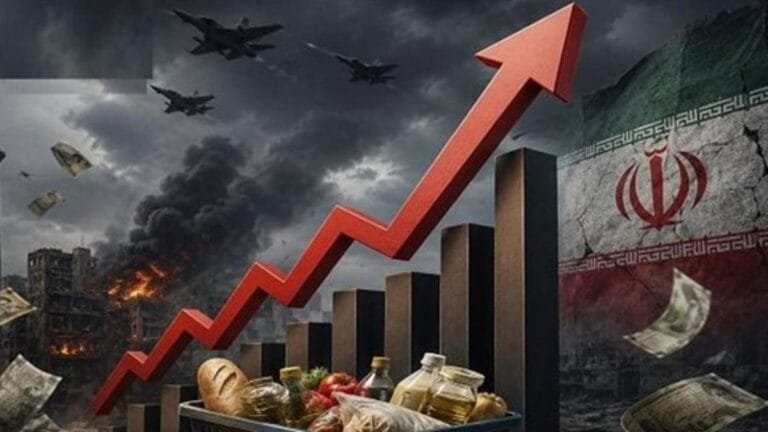
Tehran, Iran – The latest report from the Central Bank of Iran reveals a worrying surge in inflation indicators during June 2026. This reflects the worsening economic crisis gripping the country.
The bank announced that the annual inflation rate reached 83%. In contrast, the annual inflation rate calculated over the twelve months ending in June was approximately 57.7%. This confirms that the Iranian economy is facing unprecedented upward pressure.
Expensive goods and a deteriorating standard of living
Data showed that the consumer price index for goods and services rose by 7.4% month-on-month compared to May.
The figures paint a harsh picture: Iranian citizens paid 83% more in June 2026 for the same basic goods they purchased in June of the previous year. This situation places a heavy burden on the purchasing power of the middle and lower classes.
Essential goods categories topped the list of price increases, with food and beverage prices rising by 8.7% month-on-month. Clothing and footwear prices also saw a significant increase of 9.5%.
In the household goods sector, furniture and electrical appliance prices rose by 10%. The Central Bank report directly attributed this to the damage inflicted on the local steel industry, which led to a sharp decline in production and supply of these goods to the market.
Geopolitical consequences on citizens’ pockets
Services were not immune to this price surge; prices in the entertainment and cultural sector rose by 8.8%, while transportation costs jumped by 8.9% in just one month.
The Central Bank report provides an analytical overview of inflation trends, linking economic fluctuations to political and military events. Since September 2025, inflation in goods prices has begun to outpace inflation in services prices. The report attributes this phenomenon to the “long-term effects” of what is known as the “Twelve-Day War.”
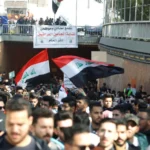
The report also notes that the period between January and February 2025 witnessed the largest gap between inflation in goods and services. This period coincided with widespread protests in Iranian cities. This clearly reflects a direct correlation between security stability and living conditions.
These figures paint a bleak picture of the future of the Iranian economy, amid warnings from economic experts that the continuation of these monetary policies and the decline in industrial production, particularly in strategic sectors like steel, could push the country into a new phase of stagflation. This exacerbates the social and economic challenges facing the government in the context of international isolation and ongoing regional tensions.